Forest Hills Stadium Settlement: 28-Show Cap to 2040, No Payouts

By Settlement Insight Data Desk · Reviewed by Leonard GoldbergPublished
Forest Hills Stadium Settlement, October 21, 2026: Up to 28 Concerts a Season Under a Framework Through 2040 — the Money Goes to the Gardens Corporation, Not to Individual Neighbors, and There Is No Claim Form
Does this affect you?
AI Legal Assistant · free · answers in seconds · general information, not legal advice
The short answer: the lawsuits are over, and nobody needs to file anything
On October 21, 2026, the Forest Hills Gardens Corporation (FHGC) — which, in QNS’s words, “owns the private streets surrounding the popular venue” — the West Side Tennis Club, which owns the stadium, and Tiebreaker Productions, which runs its concerts, announced an agreement that “resolves all pending litigation among the parties.” QNS reported that FHGC “has agreed to end all pending lawsuits against West Side Tennis Club and Tiebreaker.” According to the parties’ announcement, the agreement “provides for the voluntary end of all pending lawsuits between the parties” and sets up a dispute-resolution process “overseen by a designated Special Referee.”
If you searched “forest hills stadium settlement” because you live in Forest Hills Gardens or bought a concert ticket: this is not a class action, and there is no money to claim. The payments run from Tiebreaker to FHGC as an organization. As of October 22, 2026, none of the reports or statements we read mention a settlement fund for individuals, a claim form, a settlement website or an administrator, and the agreement itself has not been published. The financial terms are also private: “The parties did not disclose the financial amounts involved,” TicketNews reported.
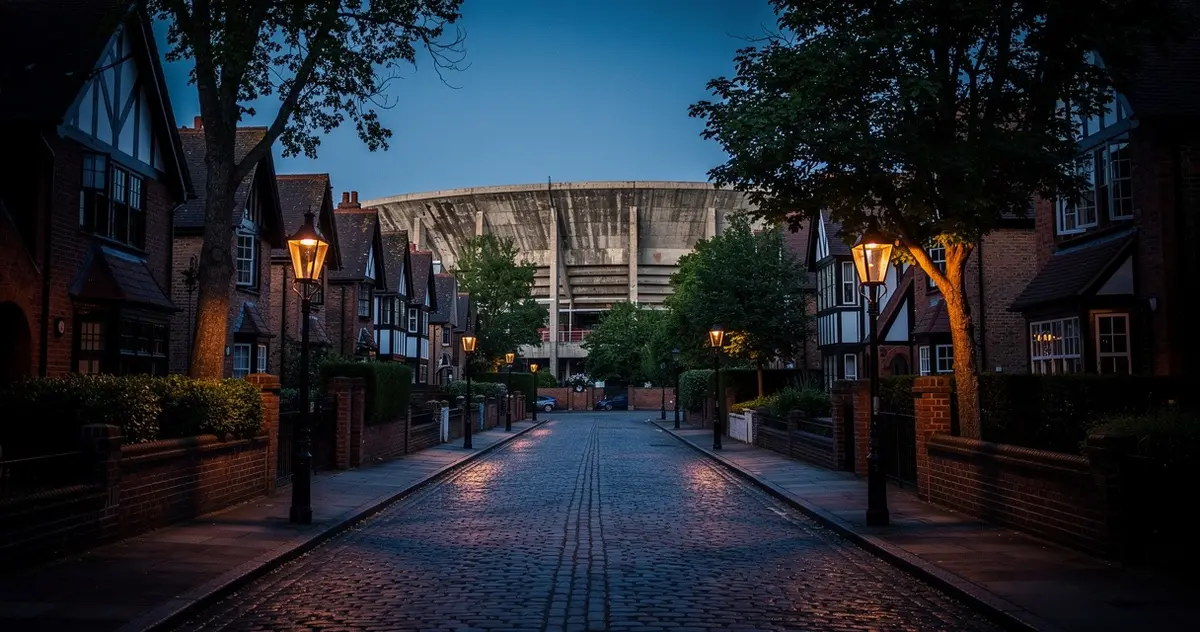
What the agreement changes: 28 shows, a curfew and money for the Gardens
The terms, as announced: “The agreement establishes an initial term of seven years, with renewal options up to an additional seven years. The stadium may host up to 28 concerts per season during the initial term (up to 29 during renewal terms).” The framework runs through 2040. All shows remain subject to “a curfew for amplified sound and real-time audio monitoring aligned with City guidelines”; the announcement did not give the curfew hour. FHGC’s board added that fireworks will happen “only with neighborhood approval.” For scale, TicketNews counts 36 concerts at the stadium in 2024, a season in which FHGC alleged that 11 shows exceeded city noise limits — an allegation, never decided by a court.
The money: “Tiebreaker will provide substantial payments to FHGC, including per-show payments that support the corporation, together with a one-time upfront payment, a portion of which is dedicated to restoration and beautification projects.” Whether any of it reaches homeowners directly, for instance through lower dues, has not been reported. On crowds, concertgoers will use designated routes under NYPD guidance, the venue keeps its own security and post-show sanitation teams, a community ombudsman is meant to handle resident complaints in real time, and rideshare pickup zones will be placed outside Forest Hills Gardens.
The statements were warm on all sides. FHGC’s board: “For the first time in years, the Forest Hills Gardens community has clear, enforceable protections for how the Stadium operates.” The West Side Tennis Club: “Reaching this resolution took patience and constructive dialogue from all sides.” Tiebreaker: “This agreement preserves the stadium’s future and directly supports the neighborhood we are so lucky to call home.”
How the fight got here: 2023 suit, October 2024 ruling, June 2026 appeal, a new board
In 2023, amNY reported, FHGC “filed a lawsuit to stop the West Side Tennis Club from holding concerts,” seeking an injunction on nuisance, trespass and zoning grounds. In October 2024, Queens County Supreme Court Judge Joseph J. Esposito dismissed five of seven claims but kept the public and private nuisance claims alive, without deciding them. In June 2026 the Appellate Division, Second Department, ruled that FHGC could not sue over zoning, sent the nuisance claims back to the trial court and revived a trespass claim; amNY quotes the court that the club exceeded its right to use the streets by installing “a bag check station, barricades, and a ‘Stadium VIP area’ on the plaintiff’s property.” None of that was a finding that the stadium is a nuisance — the claims were allowed to proceed, and the agreement now ends them.
On the same day, the Appellate Division also threw out a separate suit by the Concerned Citizens of Forest Hills. That was the one case in which, per amNY, “a small group of local residents was seeking monetary damages from the stadium”; the court found they had not shown a “special injury beyond that suffered by the community at large.” So there is no surviving resident damages case behind the new agreement either.
What changed was FHGC’s leadership. A new board, “elected overwhelmingly in December,” ran on ending the lawsuits, according to the Queens Eagle, which quoted one of its leaders as saying legal spending was “approaching a million dollars of the community budget.” Its first step was to settle FHGC’s federal suit against New York City in the Eastern District of New York, filed in October 2025 over the NYPD’s closing of the private streets — the complaint said the city “directs 13,000 people to physically invade its property.” That case settled on March 16, 2026: the city pays $150,000 to FHGC, the 112th Precinct consults the FHGC board on security arrangements, the NYPD keeps the final say, and the agreement was reached “without admission of liability.” That money, too, went to the corporation, not to individual residents.
Is a “Forest Hills Stadium settlement” payment email real?
Treat it with suspicion. Neither the March 2026 city settlement nor the October 21, 2026 stadium agreement created a claims process for individuals: in both, the payments named in the reports go to the Forest Hills Gardens Corporation. As of October 22, 2026 there is no official settlement website, no claim form and no administrator for either deal. A message that asks you to “claim” Forest Hills Stadium settlement money, pay a fee or confirm bank details does not match anything the parties have announced. Questions about how FHGC will use the payments belong with the FHGC board itself; concert complaints go to the venue’s community ombudsman described in the agreement.
If you are looking for real money you can claim, our list of open class action settlements shows cases with an actual claim form and deadline.
What is Forest Hills Stadium known for, and is the US Open still there?
What is Forest Hills Stadium known for? Tennis first: the stadium’s own history page says that in 1923 the West Side Tennis Club built “a permanent stadium structure” for the national championships, and that Arthur Ashe won “the first U.S. Open played in Forest Hills in 1968.” Then music: “More than 31,000 fans jammed into Forest Hills Stadium over two nights in August of 1964” to see the Beatles, and the venue reopened as a major concert stage in 2013.
Is the US Open at Forest Hills Stadium? No. The tournament “moved to Flushing Meadows in 1978,” and its site there was renamed the Billie Jean King National Tennis Center in 2006, according to the stadium’s history page. The settlement is about concerts and does not involve the US Open.
Will Call at Forest Hills Stadium and which seats have backs are ticketing questions the settlement announcement does not touch. Per the venue’s FAQ, Will Call “is located at the Forest Hills Stadium Box Office on the corner of Burns and Tennis Place” and opens “no later than 4PM ET or 2 hours before gates open” on show days; seats in the Club Section “have permanent backs,” and stadium chairs can be rented at Guest Services by Portal 8. For anything about tickets, go to the venue or its ticketing provider, not the parties to the lawsuit.
What to watch next
The 2026 concert season is already over, so the first season under the 28-show cap will be the next one. Three things are still unknown as of October 22, 2026: the dollar amounts of the upfront and per-show payments, the curfew hour, and the court papers formally discontinuing the Queens County cases, which we have not seen. If the agreement or those filings become public, the figures will show how much the Gardens Corporation receives per show — but on everything reported so far, that money stays with the corporation and its restoration projects, not in residents’ or ticket buyers’ pockets.